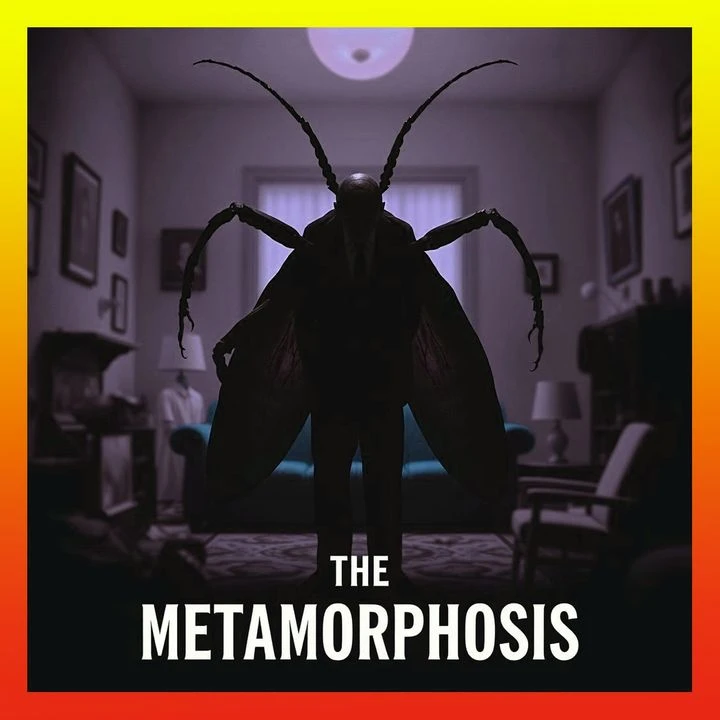
The Metamorphosis
The Metamorphosis by Franz Kafka is one of the most influential and unsettling novellas in modern literature. Through the strange and symbolic story of a man who awakens transformed into a giant insect, Kafka explores themes of alienation, identity, guilt, and the fragility of human connection. This DreamAudiobooks edition presents the text in an immersive, atmospheric narration that deepens the psychological tension and emotional resonance of Kafka’s masterpiece.
🎧 Listen to The Metamorphosis – Full Audiobook
Enjoy this essential classic on your preferred platform:
- Listen on Spotify
- Listen on Apple Podcasts
- Listen on iHeartRadio
- Listen on Amazon Music / Audible
- Listen on Deezer
📘 About This Audiobook
The Metamorphosis begins with one of the most famous opening lines in world literature: Gregor Samsa, a traveling salesman overwhelmed by duty and financial pressure, wakes up to find himself transformed into a giant insect-like creature. From this point, the narrative unravels with unsettling calm, following Gregor’s emotional deterioration, his family’s increasingly hostile response, and the slow collapse of his place within the household.
The DreamAudiobooks narration enhances Kafka’s atmosphere of quiet dread, emphasizing the tension between the surreal transformation and the painfully ordinary world that surrounds it. The result is a deeply immersive experience that captures both the horror and the tragic humanity of the story.
📖 Story Summary
The novella is divided into three parts, each revealing the psychological and emotional consequences of Gregor’s transformation.
Part I – The Shock of Transformation
Gregor wakes up in his bed as an insect. Despite his grotesque new body, his first concern is not horror but fear of missing work. His family, dependent on his salary, knocks on his door in confusion. When he finally forces it open, revealing his monstrous form, the family recoils in terror.
Part II – Isolation and Decline
Confined to his room, Gregor gradually loses his sense of humanity. His sister Grete initially cares for him, bringing food and cleaning the room, but as time passes, her compassion fades. The family begins renting part of the apartment to strangers to cover expenses. Gregor becomes more neglected and more ashamed of his appearance.
Part III – Final Rejection
The tension reaches its peak when the lodgers accidentally see Gregor and react with disgust. Grete finally declares that the creature is no longer her brother. Broken-hearted and physically deteriorated, Gregor dies alone in his room. The family, relieved, decides to start fresh and moves toward a hopeful future—without him.
🔍 Major Themes
1. Alienation and Isolation
This is the core of Kafka’s message. Gregor is alienated before his transformation—by his exhausting job, by his family’s dependence, and by his lack of personal freedom. The metamorphosis simply makes visible the isolation that was already inside him.
2. Dehumanization
The story explores how society and family often value a person only for their productivity. Gregor becomes “useless,” and thus treated as an inconvenience. His loss of humanity in their eyes mirrors a broader critique of modern work and social expectations.
3. Family Dynamics and Burden
The Samsa family seems caring at first, but their affection collapses under pressure. Gregor’s transformation exposes hidden resentment, dependence, and emotional fragility.
4. Identity and Self-Worth
Gregor sees himself almost entirely through his work. Once he can no longer provide, he questions whether he still has any value. His transformation symbolizes a crisis of identity many readers recognize in their own lives.
🪳 Symbols and Interpretation
The Insect
The most famous symbol in the novella. Kafka never precisely describes it, allowing readers to project their own fears and interpretations. The insect represents Gregor’s internal feeling of being trapped, humiliated, and burdened by duty.
The Door
The closed door between Gregor and his family symbolizes emotional disconnection. It also represents societal boundaries—between the productive and the unproductive, the normal and the abnormal.
The Lodgers
They symbolize a world that values money and appearance above humanity. Their disgust seals Gregor’s fate and accelerates the family’s rejection.
Gregor’s Room
A shrinking world. As the room becomes dirty, cluttered, and unused, it reflects Gregor’s emotional decay. His removal from the family space symbolizes his erasure from their lives.
🖋️ Kafka’s Writing Style
Kafka’s prose is calm, precise, and emotionally restrained—creating a contrast with the monstrous events taking place. This detached style heightens the horror, making the surreal feel disturbingly ordinary. His technique is often described as “Kafkaesque”: bureaucratic nightmares, psychological tension, and quiet despair.
The audiobook format enhances this effect. The narrator’s tone mirrors the slow, suffocating atmosphere and the oppressive emotional world surrounding Gregor.
⭐ Why This Story Still Matters
The Metamorphosis remains relevant because it speaks to universal anxieties:
- feeling misunderstood by family
- being trapped in a job or role you hate
- facing burnout or emotional collapse
- struggling with identity and purpose
Kafka’s story endures because it articulates the quiet suffering many people experience but rarely express. Its symbolism still resonates in a world where productivity often defines value.
👤 About Franz Kafka
Franz Kafka (1883–1924) was a Czech-born German-speaking writer whose work merges psychological insight, surrealism, and existential dread. His stories—often unfinished—explore helplessness, bureaucracy, and identity. Despite publishing little during his lifetime, Kafka became one of the most influential writers of the 20th century.
The Metamorphosis is his most accessible and widely read work, blending the personal, the fantastical, and the philosophical into a single unforgettable narrative.
🔗 Related Audiobooks on DreamAudiobooks
The Metamorphosis remains a haunting experience—yet through this audiobook version, listeners can explore its emotional depth, symbolic complexity, and literary brilliance in a new and intimate way.
Looking for more recommendations? Check out our guide:
Top 10 Free Audiobooks for Beginners and discover easy and must-listen classics.